

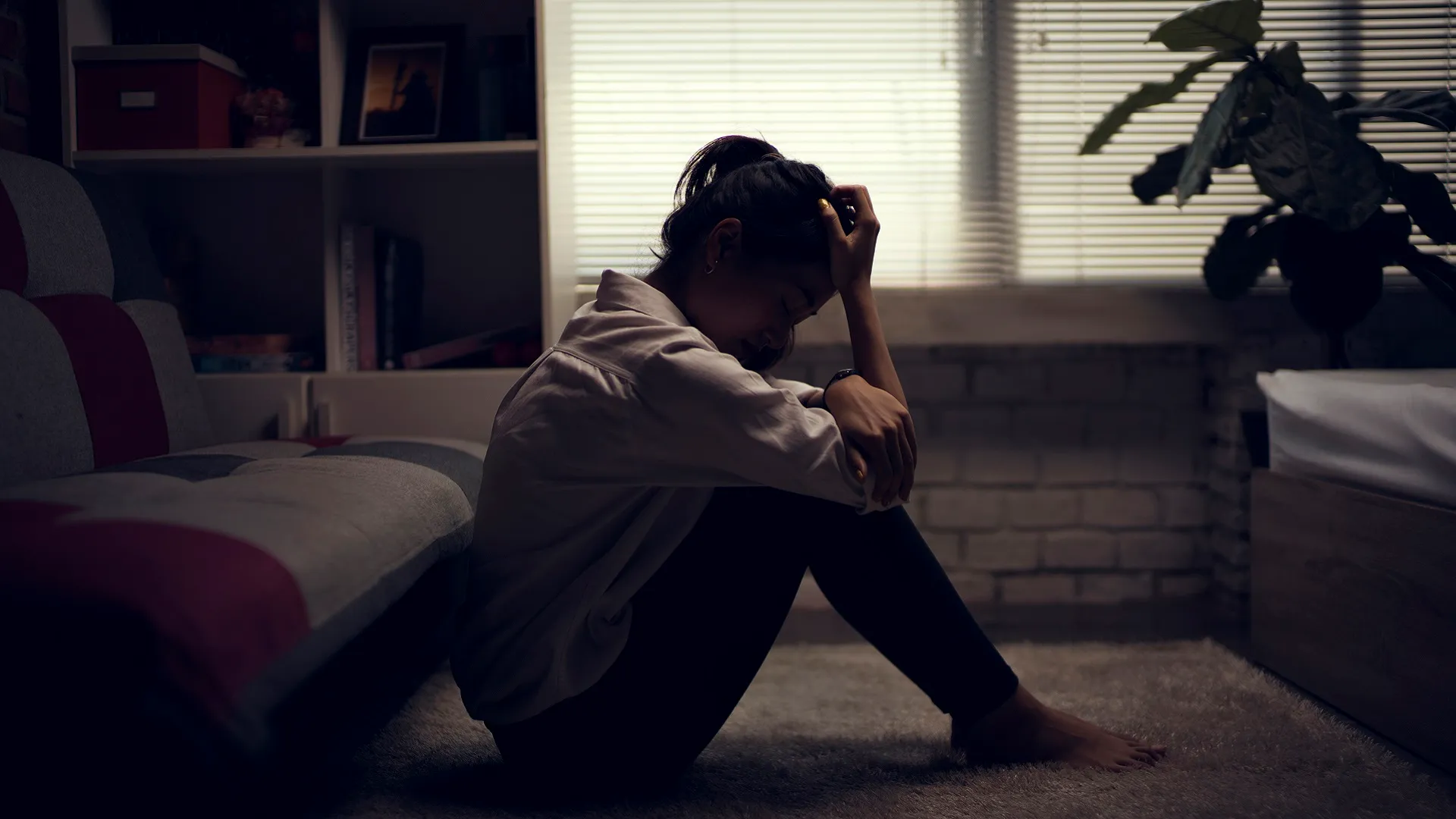
Has your mood or mental health taken a dip since the days have got shorter?
If it has, you are not alone.
In a 2021 UK poll, only 25% of adults said that their moods were not affected in the autumn and winter months.
Whilst a lot of people experience a dip in mood and energy at this time of year, these feelings are usually temporary. However, in the UK around 2 million people experience a type of seasonal-depression, known as Seasonal Affective Disorder (SAD).
What is Seasonal Affective disorder (SAD)?
SAD is a type of depression characterised by its recurrent seasonal pattern – it can be experienced in Winter or Summer. As it is a type of depression, the signs and symptoms of SAD include those associated with major depression.
The symptoms of SAD:
- Feeling depressed most of the day, nearly every day
- Losing interest in activities you once enjoyed
- Experiencing changes in appetite or weight
- Having problems with sleep
- Feeling sluggish or agitated
- Having low energy
- Feeling hopeless or worthless
- Having difficulty concentrating
- Having frequent thoughts of death or suicide
Some additional symptoms associated with winter-SAD are:
- Having trouble sleeping (insomnia)
- Poor appetite, leading to weight loss
- Restlessness and agitation
- Anxiety
- Episodes of violent behaviour
However, as mentioned at the start of this article, having low mood, increased anxiety and low energy doesn’t necessarily mean that it is SAD.
So, how do you know if it is SAD?
To be diagnosed with SAD, you must meet the following criteria:
- You must have symptoms of major depression or the more specific symptoms listed above.
- The depressive episodes must occur during specific seasons (i.e., only during the winter months or the summer months) for at least 2 consecutive years. However, not all people with SAD do experience symptoms every year.
- The episodes must be much more frequent than other depressive episodes experiences at other times of the year during your lifetime.
If you think that you reach the criteria for a medical diagnosis of SAD, you can book in with a medical professional.
What causes Winter-SAD?
The exact cause of SAD is still not known. However, it is thought to be a result of:
- A shift in the body’s internal clock
- Increase in melatonin
- Reduction in serotonin
Shift in the body’s internal clock
When the days get darker and there is less sunlight, people experience a shift in their 24-hour biological internal body clock, known as circadian rhythms. This shift affects the body’s production of hormones: melatonin and serotonin.
Increase in melatonin production
Research has suggested that people with SAD overproduce melatonin. Melatonin is important in the body’s regulation of mood and sleep. It is produced as a response to darkness and too much of it will leave you feeling sleepy.
Reduction in Serotonin
Lower levels of daylight are associated with lower levels of serotonin, a hormone responsible for regulating our mood. People with SAD have been shown to produce lower levels of serotonin in the winter months, resulting in symptoms of depression.
Not only this but, the decreased exposure to sunlight in winter is also thought to result in less Vitamin D. Vitamin D is believed to play a role in serotonin activity, and as such, Vitamin D deficiency has also been associated with depressive symptoms.
What can you do to cope with SAD?
- Keep active
- Get outside
- Eat healthily
- Take up a new hobby
- Stay socially connected with friends and family
- Light therapy
- Seeking professional support